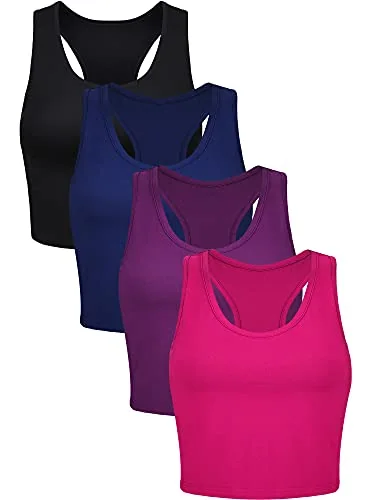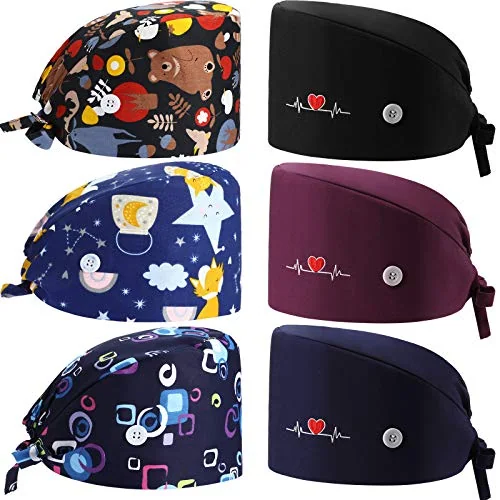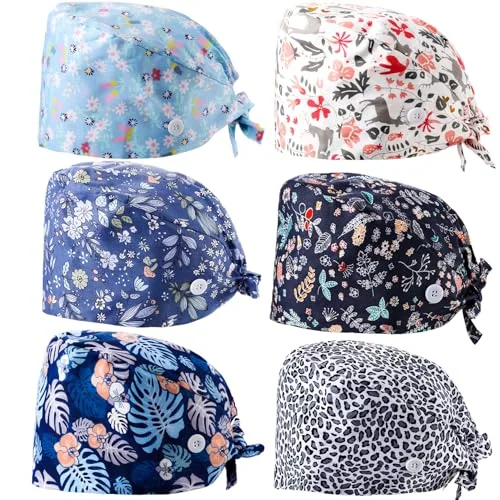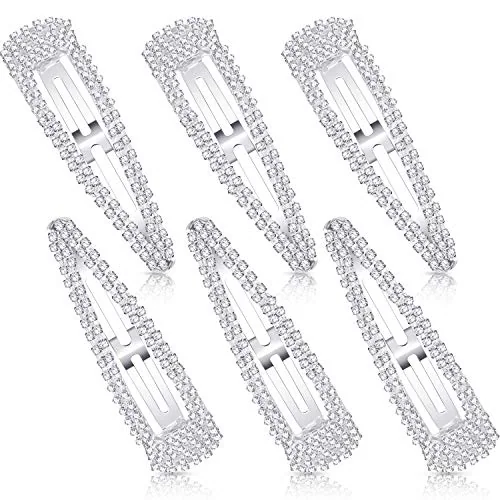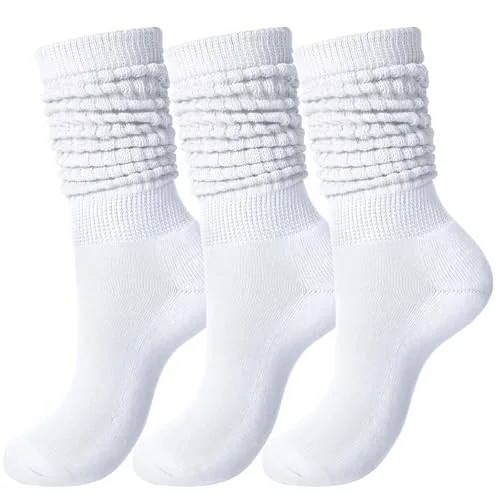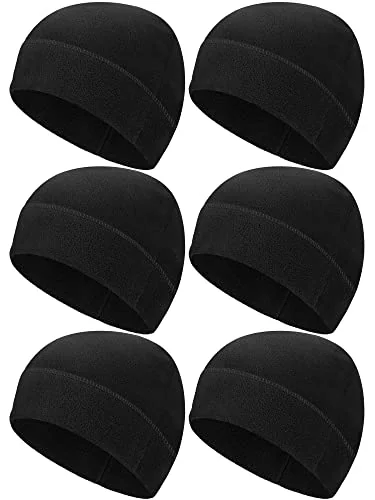
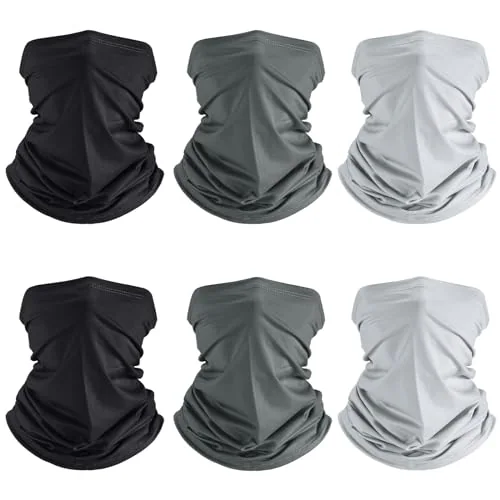
Neck Gaiter for Men Face Bandana Mask 2Color
- In the pack
- 6 pcs
- Per piece
- $1.67
$9.994.2 out of 5 (29,496)
Geyoga, Minneapolis
Hair nets, badge reels, crew socks, party bags, dress-up kits. 857 pack lines across 11 departments, and every one of them carries two numbers: what the pack costs and what a single piece inside it costs.
The eight pack lines with the most ratings behind them, one entry per line so the same thing does not turn up twice in a row.
A pack of forty is not a bargain because it is forty. It is a bargain when the fortieth piece costs less than the first one would have on its own.
Geyoga started in 2016 with one thing: hair nets. A friend ran a restaurant kitchen and could buy them two ways, singly at the pharmacy or a thousand at a time from a catering supplier. Nothing sat in between. We packed a hundred, sold them, and then spent the next few years finding the other small things people run out of and cannot buy in a sane quantity.
That is the whole idea behind the 857 lines the Geyoga shelf carries today. Every one of them is a thing that gets lost, stained, stretched or handed to somebody who does not give it back. Scrunchies, lanyards, shoe covers, party bags, sleep masks. You do not want one. You want a drawer with more of them in it.
So we print the arithmetic instead of hiding it. Under every price on this site there is a second figure: the pack price divided by the number of pieces the maker states. It is our own sum, it moves when the price moves, and it exists because two packs of the same thing rarely come in the same count.
It also keeps us honest with ourselves. When we look at adding a line, the first thing the Geyoga team works out is the per-piece figure. If a pack of ten works out dearer per piece than buying five twice, we do not stock it. A pack has to be a supply, not a rounding trick.
The second thing we do is keep one for ourselves. A sample of anything new lives in the office for a month before it goes on the shelf. Snaps break, elastic goes slack, dye runs on the second wash. A month is long enough for most of that to show up, and short enough that we are not sitting on a decision for a season.
None of this makes us a boutique. The people behind Geyoga make ordinary things in useful quantities, and the useful part is the quantity. What we can promise is that the count on the front of the pack is the count you can plan around, and that the per-piece figure next to it is arithmetic rather than a claim.
Eleven departments, each one a thing people buy again rather than once. The count is what is on the shelf right now.
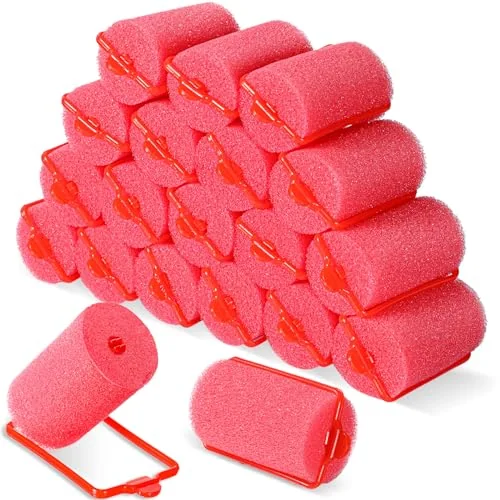
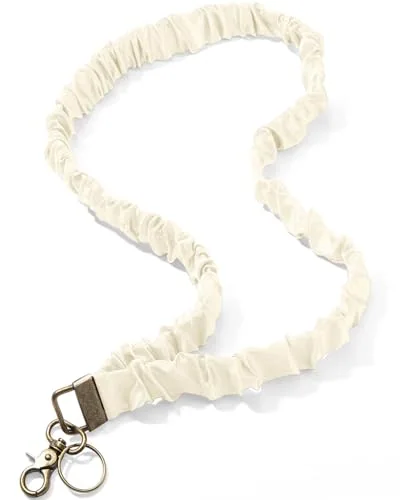
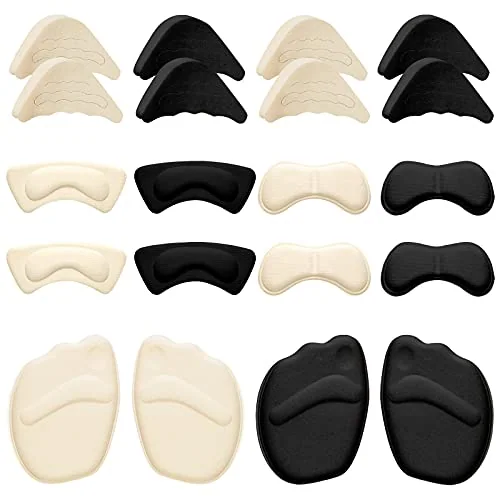
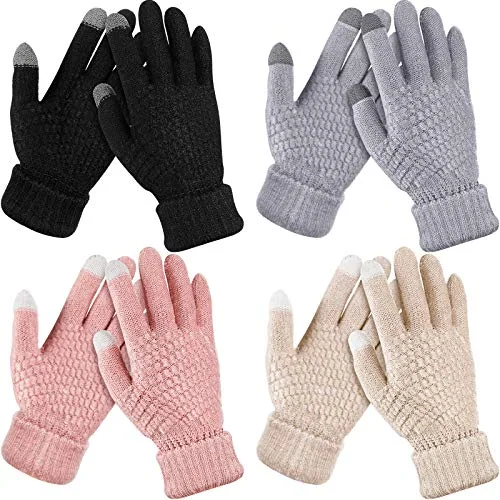
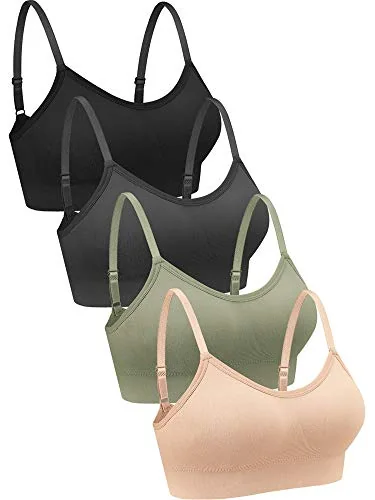
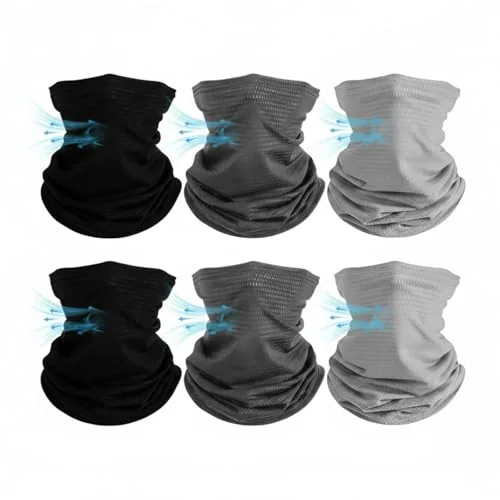
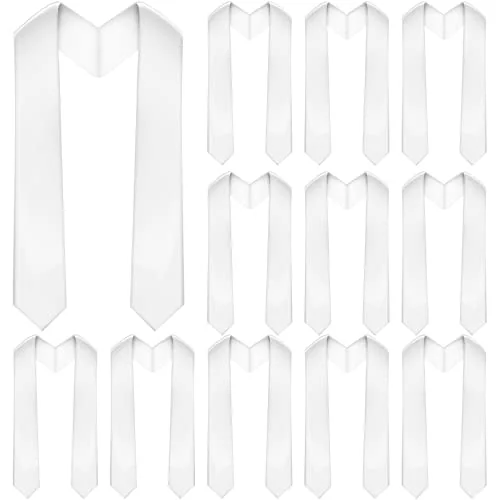
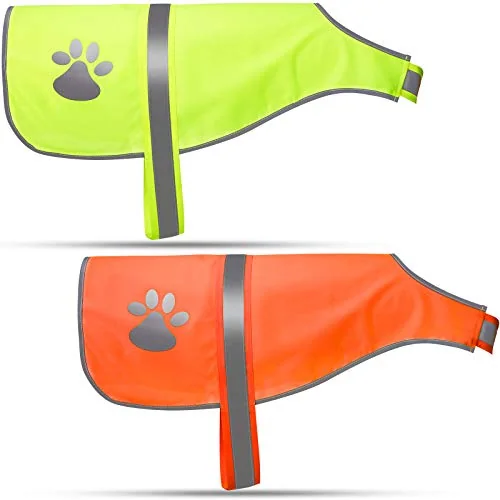
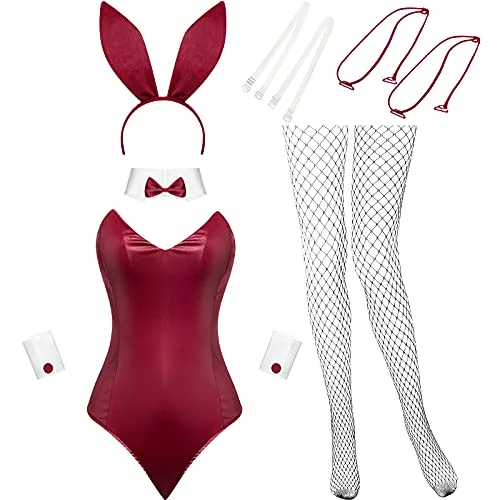
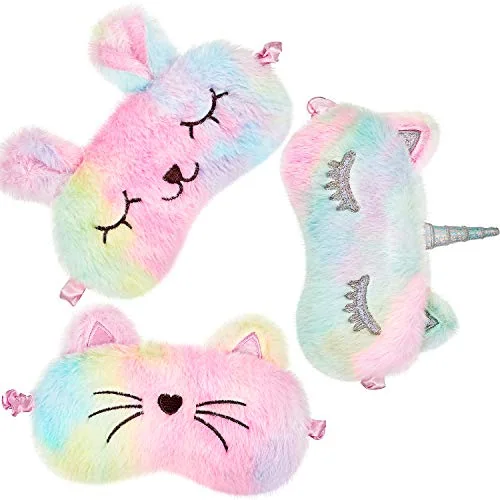
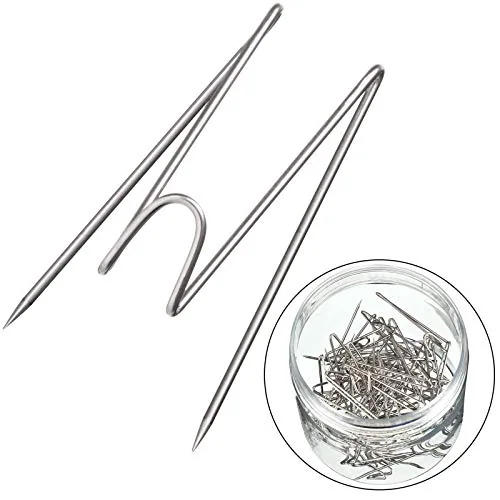
Sorted by our own arithmetic: pack price divided by the number of pieces the maker states.
The same thing can arrive as a pair or as two hundred. The size you want depends on whether you are replacing something or supplying somebody.
Singles and pairs are Geyoga essentials in the plainest sense: a replacement. You lost one glove, the dog took a sock, the sleep mask went missing in a hotel. Buying two is not thrift, it is just the correct number, and 160 of our lines exist at that size for exactly that reason.
Three to nine is the drawer size, and it is where most of the Geyoga catalogue sits. It gives you one in the wash, one in the bag and one still in the packet. For anything worn on the head or the hands, that rotation is the difference between a thing you own and a thing you can actually find.
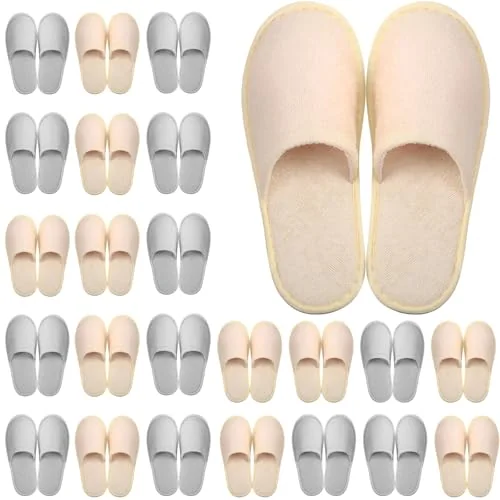
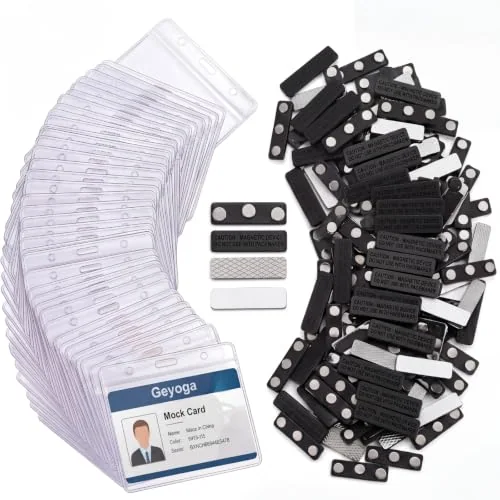
Ten to twenty-nine is a room. A classroom gets through that many name tags in a term, a nail bar gets through that many disposable slippers in a fortnight, a birthday party gets through that many favour bags in an afternoon. Buy for the room, not for the person.
Thirty and up is a supply. At that point the per-piece figure usually drops under a dollar, and the question stops being what it costs and starts being where you are going to keep it. Our biggest pack runs to 2,000 pieces, which is a year of a busy front desk and a lot of shelf.
| Pack size | Pack lines | Lowest per piece |
|---|---|---|
| Singles and pairs (1 to 2) | 160 | $2.25 |
| Small packs (3 to 9) | 379 | $0.75 |
| Class packs (10 to 29) | 185 | $0.21 |
| Bulk packs (30 to 99) | 79 | $0.10 |
| Case packs (100 and up) | 54 | $0.010 |
Kit that goes on before a shift and comes off after it: caps, reels, compression socks and the cords that break away when something catches.
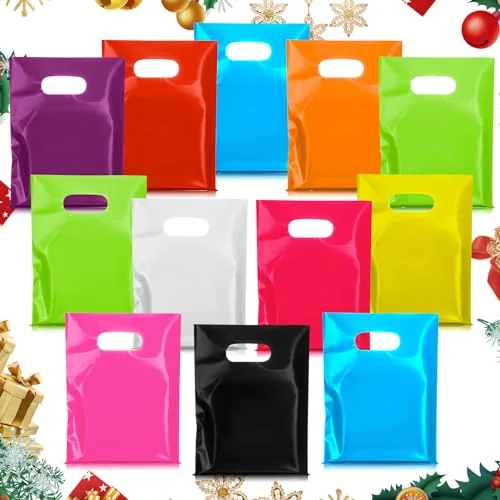
Sized to a class list rather than a family. Name tags, reward jars, pens by the hundred, favour bags and the decorations that go up on a Monday morning.
Eleven departments that look unrelated on paper and turn out to be the same shopping trip.
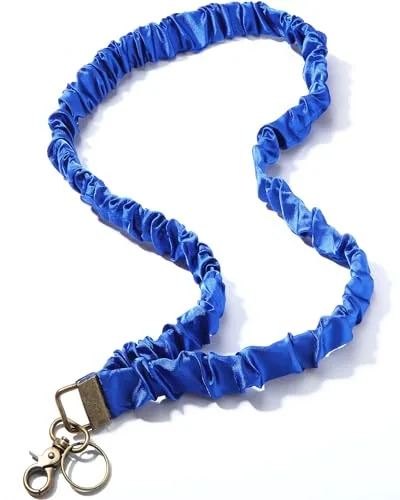
People ask why hair nets and badge reels sit in the same catalogue. The answer is that the same person buys both. A ward clerk needs a reel for her card, a cap for her hair and a pair of compression socks for a twelve-hour shift, and she would rather do that once than in three places.
The Geyoga lineup grew along those lines rather than by category. Hair and head covers came first, and they are still the deepest part of the shelf: nets, snoods, bonnets, durags, bouffant caps, turbans and the pre-tied head wraps people buy while they are going through chemotherapy. That last group taught us more about finishing seams than anything else we make.
Badge reels and lanyards arrived next, from the same hospitals. Then socks and legwear, because feet are the other thing a shift ruins. Gloves and sleeves followed, from cut-resistant liners for a fillet knife through to the fingerless knit ones people wear to type in a cold office.
The party, classroom and workplace departments came later and from a different direction. A teacher wrote to ask whether we could do name tags in the same quantity we did lanyards. We could, and now that end of the shelf carries favour bags, hanging decorations, reward jars, pens by the hundred and graduation gowns, all in counts that match a class list rather than a family.
Costumes and dress-up sit next to them for the same reason. A pack of ten helper vests is not a toy purchase, it is a term of pretend play for a nursery, and it gets washed like workwear.
Sleep and spa is the smallest department and the one we fuss over most. A sleep mask lives against skin all night, so the lining matters more than the print, and we say so on the pages where the lining is worth the extra dollar.
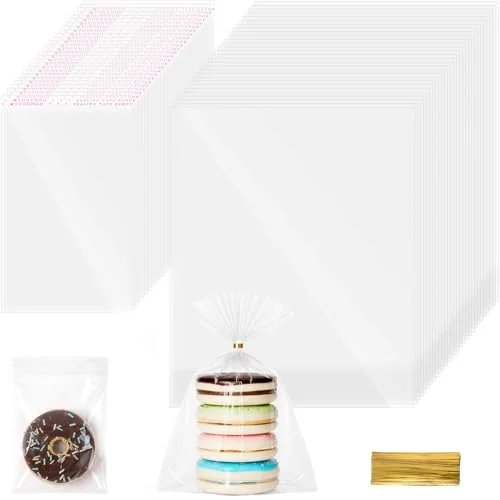
Bags and home carry the odds and ends that refuse to file anywhere else: mesh laundry bags, cellophane bags, garment covers, hooks, kitchen towels. It is the least tidy corner of the site and the one regulars come back to.
Across all of it, the approach is the same. The Geyoga way is to buy the thing you already know you will need again, to buy enough of it that running out stops being an event, and to check the per-piece figure before you decide which pack is the cheap one. That is the entire trick, and it works better on hair nets than it does on anything glamorous.
Where a purchase stops being a replacement and becomes a supply. Storage is the question at this end of the shelf.
Three long reads on the rules that decide what may go in a pack and what the label on it has to say.
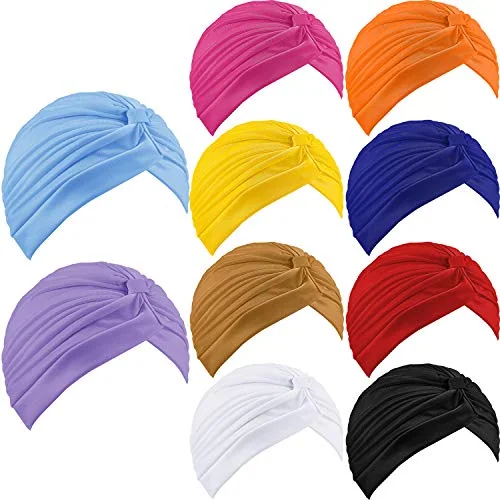
One sentence of federal regulation decides what a kitchen, a ward and a production line have to put on a head. It is shorter and vaguer than most people expect, and the vagueness is the interesting part.
Read the guide
Two federal rules decide what is printed on the tag inside a sock, a scarf or a camisole. Between them they cover fibre and washing, and they leave out almost everything else people expect to find.
Read the guide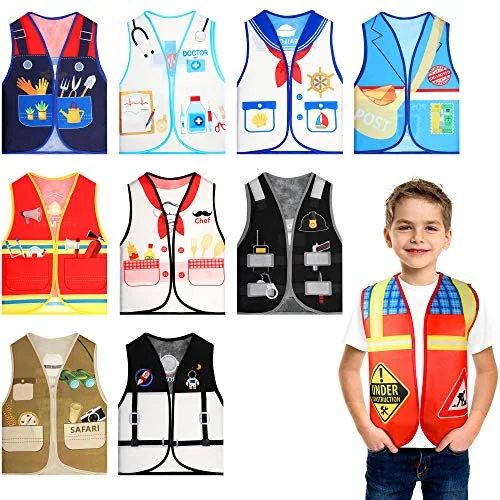
Two federal standards sit behind the dressing-up box: one about how fast a fabric burns, one about whether a piece fits inside a small cylinder. Both are simple, and both explain warnings people ignore.
Read the guideThree to nine in a box: enough to keep one in the wash and one in the drawer without committing to a year of them.
The six that come in most often, answered the way we would answer them on the phone.
Ours. We take the price of the pack and divide it by the number of pieces the maker states for that pack, and we show the result under the price. It moves whenever the price moves. Nobody prints it on the packet, and it is the fastest way to see which of two packs is the cheaper one.
Both, at different prices. Some makers put two counts behind one address. Our page shows the count you get at the price shown, and the table further down the page gives every size and colour its own figure.
No. Colours and sizes of the same thing share one pool of ratings, so adding them up would multiply the same reviews several times over. We show the rating of the pack line as it stands on the best-rated option and leave it at that.
Because it has no buyable offer at the moment. Rather than leave you on a page with a blank where the price should be, we take the page down and send the address to its department. If the offer comes back, so does the page.
At our retail partner, when you place the order, under their terms. We are the catalogue: what we can tell you is what is in the pack, what it is made of and which size works out cheaper per piece.
Yes, and people do it daily. The email, the phone number and the street address in the footer all reach one office in Minneapolis, and a person answers on the day the message arrives.