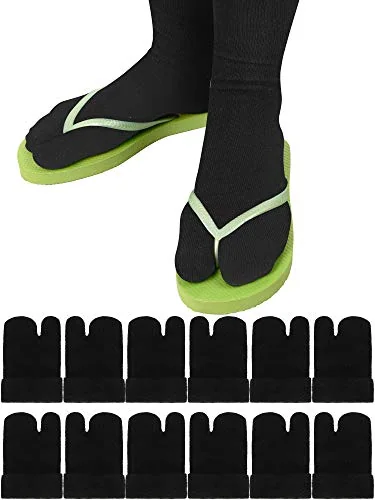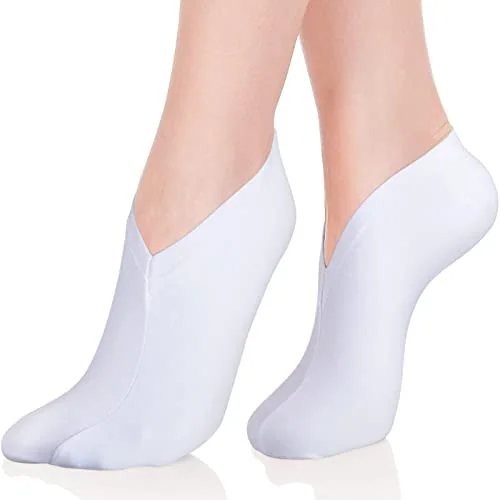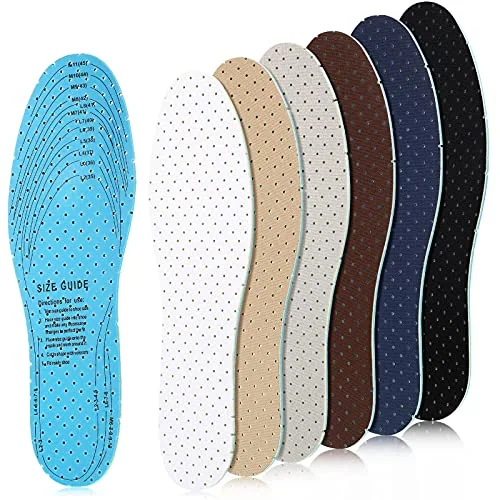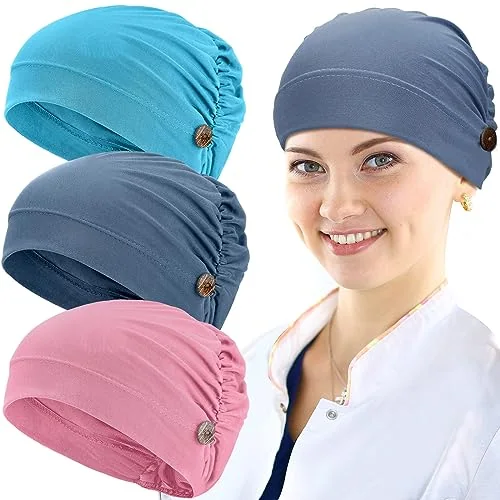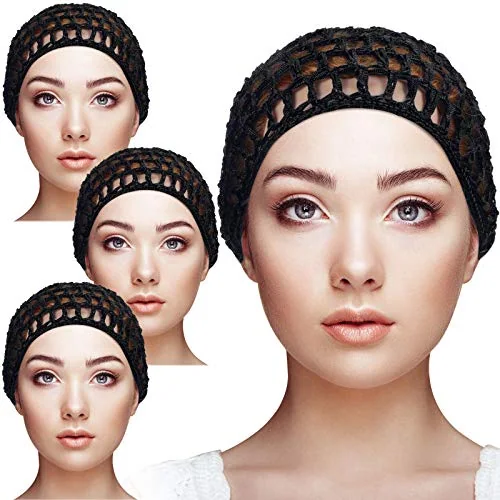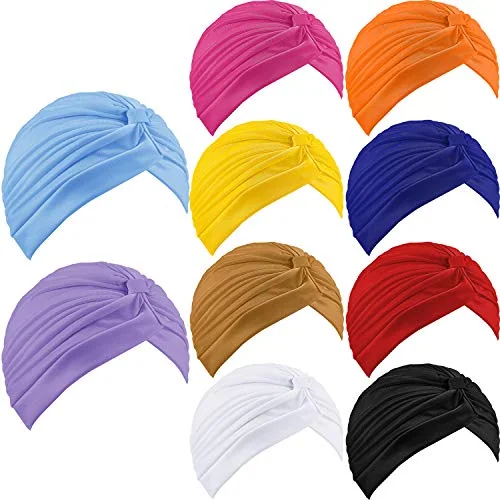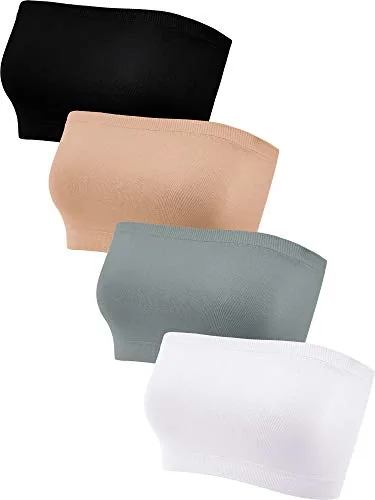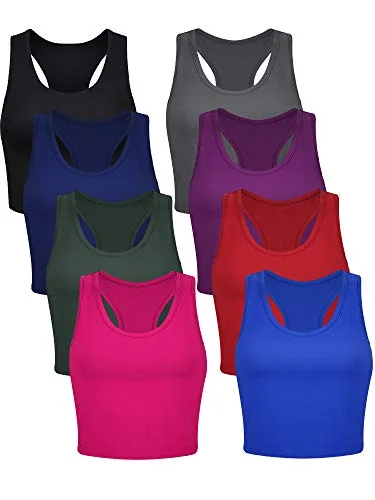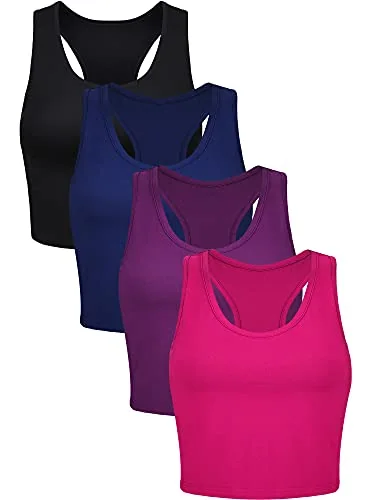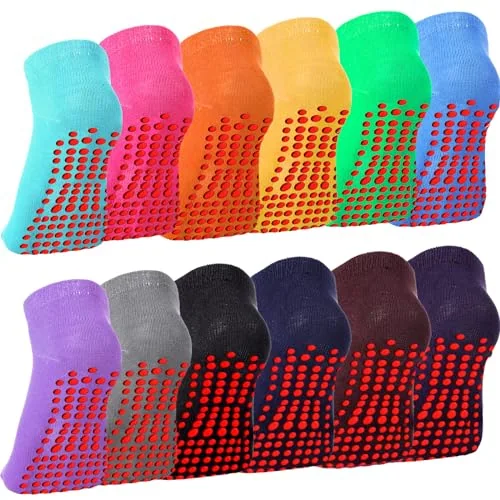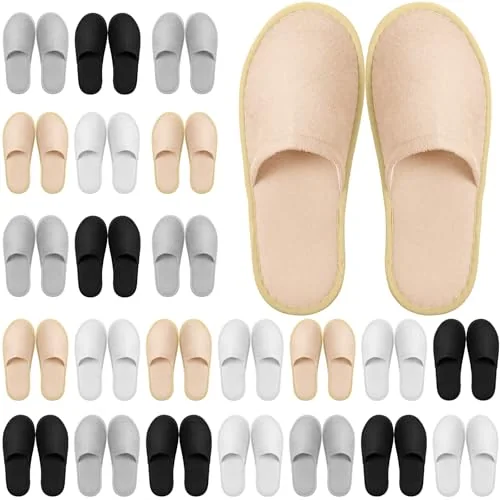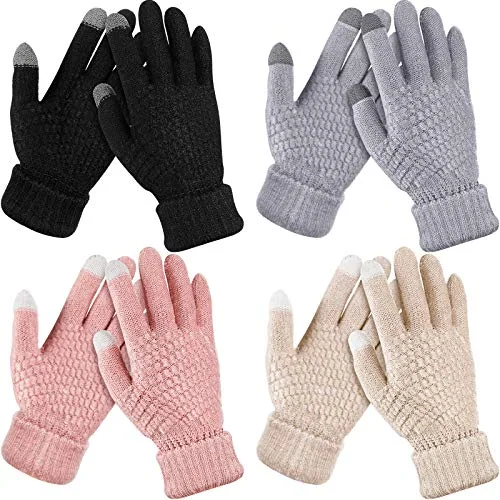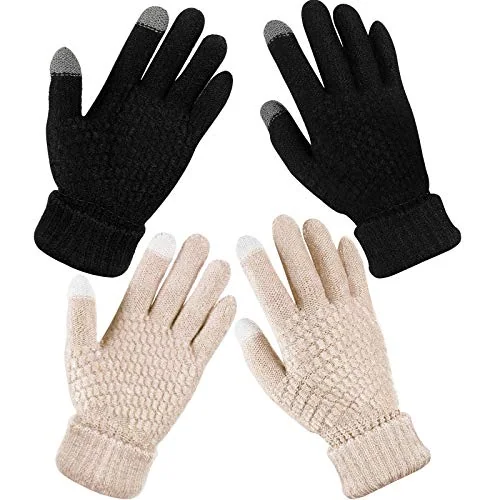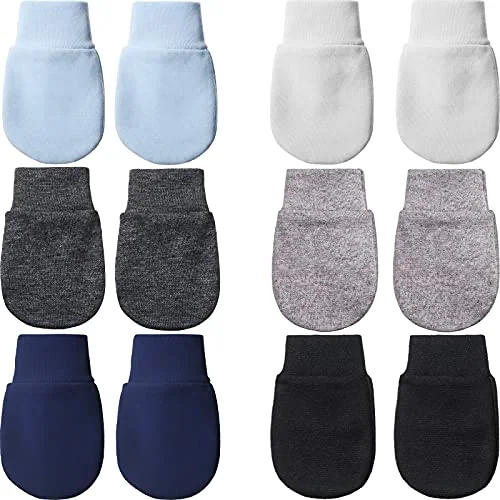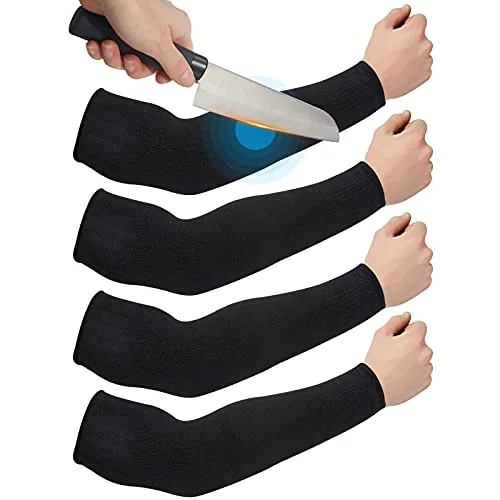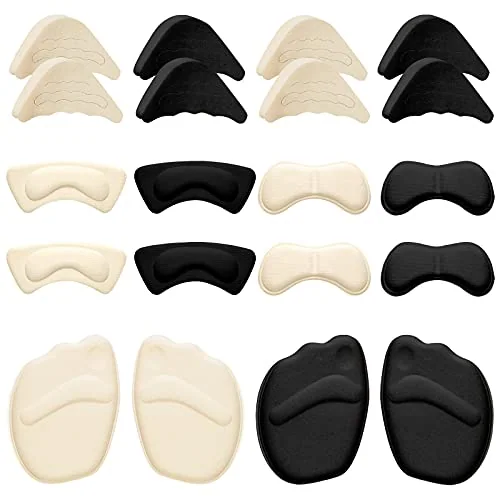
Shoe Filler Toe Inserts for Loose Shoes, Elegant Style
- In the pack
- 12 pairs
- Per piece
- $0.75
- Made of
- Leather
$8.993.9 out of 5 (2,748)
Guide
Two federal rules decide what is printed on the tag inside a sock, a scarf or a camisole. Between them they cover fibre and washing, and they leave out almost everything else people expect to find.
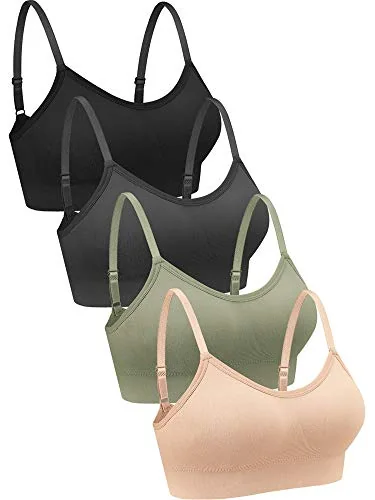
Buying clothing by the pack means buying it without the tag in your hand. You get a photograph, a title written for a search box, and a few lines of description. The tag arrives later, and by then the decision is made.
That is worth knowing precisely because the tag is where the enforceable statements live. Two Federal Trade Commission rules govern it. One is about washing, the other is about fibre. Neither one covers fit, durability, thickness or whether the colour will run onto a white sheet, and every argument about an online description happens in the gap between what the rules require and what a buyer wants to know.
This guide covers both rules, then what they leave open, using the 857 pack lines on our own shelf as the worked example.
Part 423 of Title 16 is the Care Labeling Rule. It starts by defining what a care label is, and the definition is stricter than the object most people picture:
a permanent label or tag, containing regular care information and instructions, that is attached or affixed in such a manner that it will not become separated from the product and will remain legible during the useful life of the product
Federal Trade Commission, 16 CFR Part 423, Care Labeling of Textile Wearing Apparel
Permanent, attached, and legible for the life of the garment. A sticker is not a care label. A card in the box is not a care label. The washed-out ghost of printing on a tag that has been through forty cycles is, arguably, no longer one.
The rule then lists what counts as an unfair or deceptive practice, and the list reads as a set of duties. The first is the plain one:
To fail to disclose to a purchaser, prior to sale, instructions which prescribe a regular care procedure necessary for the ordinary use and enjoyment of the product
Federal Trade Commission, 16 CFR Part 423, Care Labeling of Textile Wearing Apparel
Prior to sale. That phrase is doing a lot of quiet work in a world where most clothing is bought from a photograph, and it is the reason a well-written product page repeats the washing instruction in its text.
The third duty is the one that protects the rest of your wash:
To fail to warn a purchaser, prior to sale, when any part of the prescribed regular care procedure, which a consumer or professional cleaner could reasonably be expected to use, would harm the product or others being cleaned with it
Federal Trade Commission, 16 CFR Part 423, Care Labeling of Textile Wearing Apparel
Others being cleaned with it. That is dye transfer, and it is the single most common complaint about cheap coloured textiles. A maker who knows a deep red will bleed is supposed to say so.
And the last duty is the one that stops a label being a guess:
To fail to possess, prior to sale, a reasonable basis for all regular care information disclosed to the purchaser
Federal Trade Commission, 16 CFR Part 423, Care Labeling of Textile Wearing Apparel
Section 423.6 says a label for textile wearing apparel must carry either a washing instruction or a drycleaning instruction. One of the two is enough if either method works. Ironing gets a mention only when it is needed regularly, and a temperature has to come with it unless a hot iron does no harm.
The clause people never expect is the one that covers the object that cannot be cleaned at all:
If the product cannot be cleaned by any available cleaning method without being harmed, the label must so state.
Federal Trade Commission, 16 CFR Part 423, Care Labeling of Textile Wearing Apparel
That sentence exists because some things genuinely cannot be cleaned, and the rule would rather have a label say so than have it invent a method. It is also a useful test to apply to a description: a page that dodges the cleaning question entirely is a page nobody thought hard about.
Symbols are allowed alongside words. The rule is deliberately relaxed about vocabulary:
Any appropriate terms may be used on care labels or care instructions so long as they clearly and accurately describe regular care procedures and otherwise fulfill the requirements of this regulation.
Federal Trade Commission, 16 CFR Part 423, Care Labeling of Textile Wearing Apparel
So one tag says machine wash cold, the next says wash in cold water, and both are fine.
The second rule governs fibre names, and it exists because trade names are older than honesty. Part 303 requires that a maker's own name for a fibre never travel alone:
the generic name of the fiber must appear in immediate conjunction therewith, and such trademark and generic name must appear in type or lettering of equal size and conspicuousness
Federal Trade Commission, 16 CFR 303.17, Use of fiber trademarks and generic names on labels
Equal size and conspicuousness. That is the clause that stops a brand printing its invented fibre name in bold and the word polyester in grey four-point type underneath.
The catch-all at the end of the section is broader still:
No fiber trademark or generic name shall be used in non-required information on a label in such a manner as to be false, deceptive, or misleading as to fiber content
Federal Trade Commission, 16 CFR 303.17, Use of fiber trademarks and generic names on labels
Read those two together and a familiar species of product name loses its cover. Ice silk is not a fibre. Milk fibre, bamboo charcoal and cooling nylon are marketing compounds, and behind each of them there is a generic name that has to appear.
We run into this constantly, because we sell what makers list. Where a maker names a fibre, our page repeats that word and nothing else. Here is the whole shelf counted by the material word the maker used.
| Material named by the maker | Pack lines |
|---|---|
| Polyester | 126 |
| Cotton | 106 |
| Plastic | 84 |
| Paper | 74 |
| Satin | 64 |
| Nylon | 59 |
| Metal | 41 |
| Knit | 41 |
| Fleece | 35 |
| Silk | 32 |
| Leather | 19 |
| Spandex | 19 |
| Silicone | 17 |
| Lace | 17 |
| Velvet | 9 |
| Mesh | 8 |
| Linen | 1 |
The gap at the bottom of that table is the honest part. A large number of lines name no material at all, and rather than guess from a photograph we leave the field off the page.
A catalogue like this one runs on a short list. Learn five words and you have covered most of what arrives.
Two more turn up often enough to name. Rayon and viscose are the same thing under different words, made from processed wood pulp, soft and weak when wet. Silk is real silk when the label says so, and the word carries a legal meaning under the fibre rule rather than a poetic one.
Anything else you read on a front-of-pack, ice silk, milk fibre, cooling nylon, bamboo charcoal, is a trade name with one of the above sitting behind it.
Symbols are optional in the United States and near universal on goods made for several markets at once. Five of them decide almost everything.
The useful habit is to read the crossed-out ones first. What a label forbids is more informative than what it permits, because a maker only forbids something after it has gone wrong.
No rule covers sizing, and multipacks are where that gap hurts most. A pack of six in one size is six chances to be wrong rather than one.
One size fits most is a claim about elastic, not about people. On a head cover it usually holds, because a gathered edge stretches a long way. On a glove it holds for hands within about an inch of average and fails outside that. On anything with a fixed circumference, a bralette band or a boot cuff, it does not hold at all, and the maker who prints it there is hoping.
Where a maker states measurements, we print them. Where a maker states only a letter, we print the letter and nothing more, because converting somebody else's medium into inches would be our guess dressed as a fact.
The practical move on a multipack is to buy the small pack first. Three to nine is enough to learn whether a maker runs generous or mean, and the case pack is a much better idea afterwards.
This is the useful half of the guide, because it is where buying by the pack goes wrong.
None of that is a scandal. It is a division of labour: the rules cover what can be defined precisely, and everything else is a judgement made by whoever is selling. Our judgement is to print the count, the material word and the price per piece, and to keep quiet where the maker was quiet.
Fibre is not evenly spread across a catalogue like this one. Head covers skew to satin and polyester because both are smooth against skin and cheap to cut. Legwear skews to cotton blends because feet sweat. Party goods barely mention fibre at all, because most of them are paper and plastic and the care rule does not reach them.
| Department | Pack lines | Lines naming a material | Most common word |
|---|---|---|---|
| Hair and Head Covers | 113 | 101 | Polyester |
| Badge Reels and Lanyards | 135 | 124 | Plastic |
| Socks, Legwear and Shoe Care | 99 | 86 | Cotton |
| Gloves and Sleeves | 88 | 74 | Nylon |
| Tops and Neckwear | 82 | 69 | Cotton |
| Hats, Scarves and Face Covers | 84 | 72 | Polyester |
| Party and Celebration | 79 | 73 | Paper |
| Classroom and Workplace | 63 | 51 | Paper |
| Costumes and Dress-Up | 25 | 23 | Polyester |
| Sleep and Spa | 43 | 34 | Fleece |
| Bags, Home and Carry | 46 | 45 | Paper |
Two things fall out of that table. The first is that the departments with the highest disclosure rate are the ones where the item touches skin for hours, which is roughly the order in which a buyer would want disclosure anyway. The second is that party and classroom goods sit near the bottom, and that is the care rule working as designed rather than a supplier being cagey. A paper favour bag is not textile wearing apparel.
Four habits, in the order they save money.
The last one is the reason this site prints two numbers under everything rather than one. Fibre content and washing are the two facts a rule guarantees you. Everything else, including whether the pack is good value, is arithmetic somebody has to do.
One person buying one thing can return it. A nursery buying twenty of something cannot, and that changes which facts matter.
Wash temperature moves to the top of the list. Anything that will be worn by children, worn in a clinic or worn in a kitchen goes through a hot wash whether the label likes it or not, and a pack that says cold wash only is a pack that will come back shrunk. Cotton and polyester both survive sixty degrees. Elastane above forty starts giving up, and that is what turns a fitted cap into a loose one.
Colour comes second, and for the same reason. Deep reds, navies and blacks are the ones that bleed, and a group order means twenty of them in one machine. Wash the first load alone and you will know within an hour.
Third is the seam. Look at the photograph of the inside if there is one. An overlocked edge holds through a hundred washes. A single line of stitching along a raw edge does not, and on a group order that failure shows up in month three across every item at once, because they all went in together.
Fourth, and this is the one people skip: buy one pack, wash it four times, then buy the rest. A month of patience costs less than twenty items nobody wants to wear.
None of these are forbidden. All of them are unregulated, which means they carry whatever the person writing the page wanted them to carry.
The test we use before putting a word on one of our pages is simple: could somebody check it. Fibre content can be checked. Wash temperature can be checked. Breathable cannot, so it stays off.
| Source | Published by | Read |
|---|---|---|
| 16 CFR Part 423, Care Labeling of Textile Wearing Apparel | Federal Trade Commission | 6 September 2026 |
| 16 CFR 303.17, Use of fiber trademarks and generic names on labels | Federal Trade Commission | 6 September 2026 |